
Margeaux Cannon, Ph.D. • July 20, 2026
Learning to Treat Yourself with Kindness
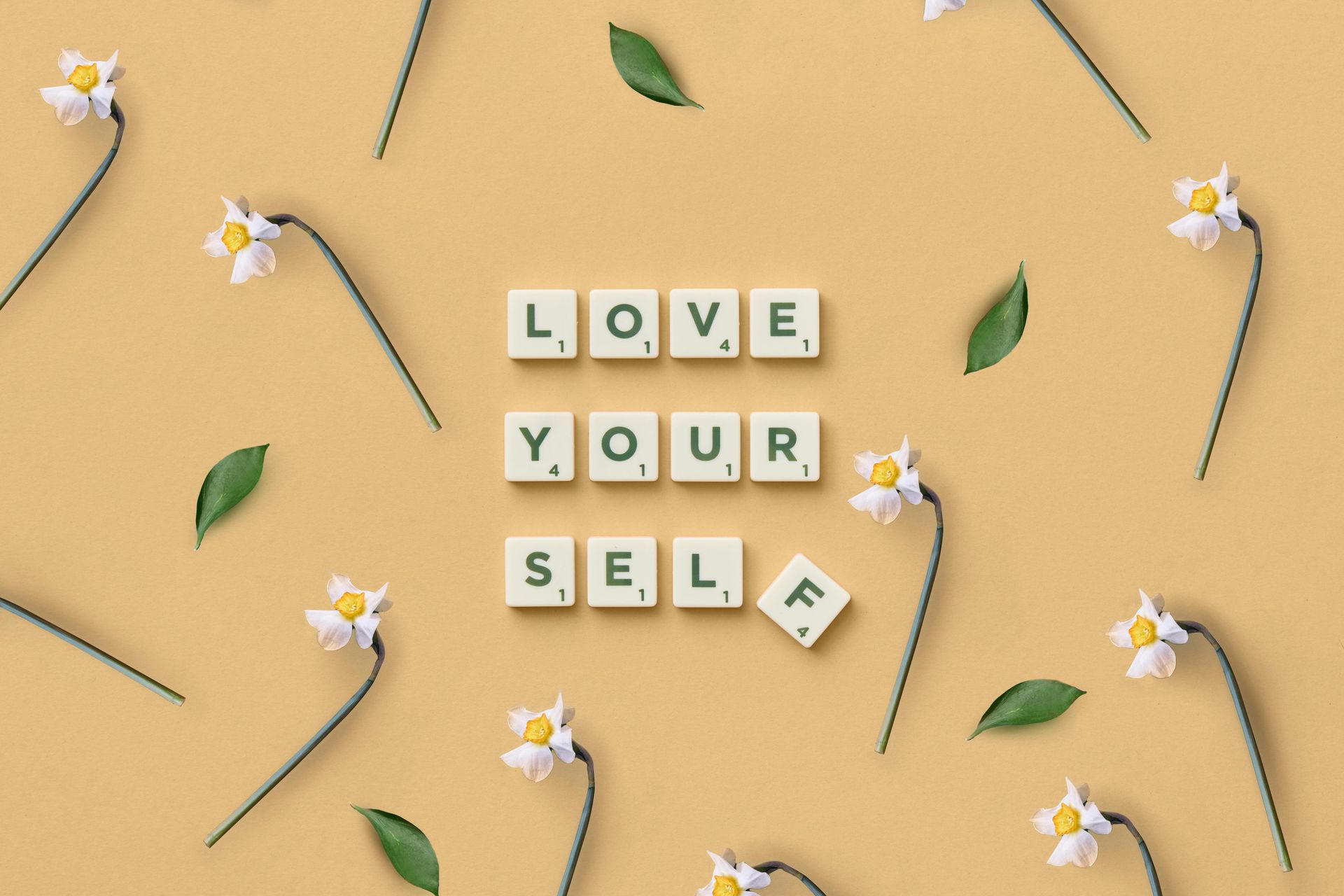
Many people are kind, supportive, and understanding toward others but much harder on themselves. When we make mistakes, struggle emotionally, or feel overwhelmed, it’s common to respond with criticism instead of care. Self-compassion offers a healthier and more supportive way to relate to ourselves, especially during difficult times. Psychologists at Aviva Psychology Services can help you practice giving yourself the validation, care, and motivation that you need.
What is self-compassion?
Self-compassion means treating yourself with the same kindness, patience, and understanding that you would offer to a friend or loved one. It involves recognizing that everyone experiences challenges, setbacks, and moments of pain.
Rather than ignoring difficult emotions or judging yourself harshly, self-compassion encourages you to respond with care and acceptance. It includes:
- Being kind to yourself instead of self-critical
- Recognizing that suffering and imperfection are part of being human
- Allowing yourself to notice and acknowledge emotions and struggles without becoming overwhelmed by them
Self-compassion is not about making excuses or avoiding responsibility. It is about supporting yourself through challenges in a healthy and balanced way.
The yin and yang of self-compassion
Caring for yourself in compassionate ways means balancing softness with strength. The yin of self compassion includes comforting, soothing, or validating yourself.
Consider a tough time in your life when there was nothing you could do to fix it. Perhaps there was a mistake you already made or a situation out of your control. Problem solving might not be working, or maybe the mental effort to find solutions was more draining than helpful. Consider what it might have been like then to acknowledge that it was a hard situation and your feelings made sense (validate), take some deep breaths or give yourself a hug (sooth), or give yourself the kind words that you need to hear (comforting). The yin of self-compassion helps us to be with ourselves in compassionate ways.
The yang of self-compassion includes protecting, providing for, or motivating yourself.
There might have been a time when you were struggling to find the energy, bravery, or confidence to take action. Perhaps you were discouraged, doubtful, or avoiding the situation. You knew that it was important to do, but struggled to take action. Consider what it might have been like to let go of responsibility for others’ needs to free up some energy for your own (protect), have a clear sense of your core values and how you can act on them (provide), or wrote yourself a letter from the perspective of a loving, encouraging friend (motivate). The yang of self-compassion helps us to act in the world in compassionate ways.
Why is self-compassion important?
Many people believe that being hard on themselves will help them stay motivated or successful. In reality, constant self-criticism can increase stress, anxiety, shame, and feelings of inadequacy, and even lower motivation and make it harder to try again.
Imagine you set a goal for yourself to go on more walks. You walked for two days in a row but didn’t walk yesterday.
Imagine you tell your friend that you didn’t walk and they say, “Wow you totally failed at that. You suck at exercising… you kinda suck in general. Why do you bother setting goals when you never follow through? Everyone is more active and good at life than you. Why are you like this?”
How would you feel about yourself?
How would you feel about walking?
How would you feel about your friend?
Now imagine you set a goal for yourself to go on more walks. You walked for two days in a row but didn’t walk yesterday.
Now imagine you tell your friend that you didn’t walk and they say, “Oh okay. You didn’t walk yesterday but you walked the day before! Nobody’s perfect, it’s okay to have ups and downs. If you want to walk tomorrow, you can. What would help you to walk tomorrow? Maybe you can set an alarm during lunchtime to remind you, or put your sneakers by the door so it’s easier to get started. You can do it!”
How would you feel about yourself?
How would you feel about walking?
How would you feel about your friend?
Self-compassion is important because it helps us give ourselves what we need to do the things that we want to do.
How does self-compassion help?
Self-compassion can help in many areas of emotional and mental health. Practicing self-compassion can also improve overall well-being and help people feel more connected to themselves and others.
It reduces self-criticism
Many people have an inner voice that is harsh or judgmental. Self-compassion helps soften that voice and replace it with a more supportive and realistic perspective.
It encourages healthier coping
People who practice self-compassion are more likely to care for themselves through healthy habits, rest, boundaries, and seeking support when needed.
It improves emotional resilience
Life includes disappointment, loss, and stress. Self-compassion helps people recover more effectively from difficult experiences by encouraging understanding rather than shame.
It helps us motivate ourselves and grow
When people know they can treat themselves kindly even when things don’t go perfectly, they’re more willing to try new things, take healthy risks, and challenge themselves.
It supports mental health
When people respond to themselves with kindness instead of blame, they often experience less anxiety, depression, guilt, and emotional overwhelm.
It strengthens relationships
When we are more compassionate with ourselves, we are often more patient, understanding, and compassionate toward others as well.
Myths and Misconceptions about Self-Compassion
“Self-compassion is selfish.”
In reality, caring for yourself helps you care for others more effectively. Self-compassion supports emotional balance and healthier relationships.
“Self-compassion means letting yourself off the hook.”
Self-compassion does not mean avoiding accountability. It means responding to mistakes with understanding so you can learn and grow rather than become stuck in shame.
“Being hard on myself keeps me motivated.”
Research suggests that self-compassion often leads to greater motivation because people feel safer taking risks, learning from setbacks, and trying again.
“Self-compassion is weakness.”
Showing kindness toward yourself requires honesty, courage, and emotional awareness. Self-compassion is a strength that supports resilience and healing.
How can I practice self-compassion?
Self-compassion is a skill that can be developed over time. Working with a psychologist at Aviva Psychology Services can help you learn and practice small daily practices that make a meaningful difference.
Notice your inner dialogue
Pay attention to how you speak to yourself during difficult moments. Ask yourself:
- Would I say this to someone I care about?
- Is my inner voice supportive or critical?
- How does my self-talk make me feel?
Try replacing harsh thoughts with gentler, more encouraging statements. You can learn more about the importance of our thoughts, self-talk, and inner dialogue in this article about Cognitive Behavioral Therapy.
Practice self-kindness
Offer yourself words of kindness and understanding, especially when you are struggling. Simple phrases like:
- “This is hard right now.”
- “I’m doing the best I can.”
- “Progress, not perfection.”
can help create a more compassionate mindset.
Acknowledge your feelings
Instead of pushing emotions away, allow yourself to notice and validate them. Difficult feelings are a normal part of being human.
Take care of your needs
Self-compassion also involves caring for your physical well-being. This may include:
- Resting when you are tired
- Setting healthy boundaries
- Eating nourishing foods
- Spending time with supportive people
- Asking for help when needed
It might also include caring for your emotional needs, for example:
- Acknowledging and validating emotional experiences
- Noticing softer feelings underneath anger - like sadness, fear, exhaustion, or hurt
- Considering what basic human needs might be unmet, and helping meet those needs for yourself:
- Saying “I understand you” if you need to be seen and heard
- Saying “I’m here for you” if you need support
- Saying “I care about you and you matter to me” if you need to feel loved
- Reminding yourself that all humans feel pain and sadness at times - it’s not your fault and you’re not alone
Try mindfulness practices
Mindfulness can help you observe your thoughts and emotions without judgment. Deep breathing, meditation, journaling, or grounding exercises can support self-compassion.
Mindful Self-Compassion Therapy at Aviva
Everyone experiences difficult moments, self-doubt, and emotional pain. Self-compassion reminds us that we deserve care and understanding during those times—not just when things are going well.
Learning to treat yourself with kindness can improve emotional well-being, strengthen resilience, and support healthier relationships with both yourself and others. Like any skill, self-compassion takes practice, but even small steps can create meaningful change over time. Psychologists at Aviva are trained to help you develop a more kind, helpful way of thinking and caring for yourself.
At Aviva Psychology Services, therapy will emphasize evidence-based therapeutic strategies and be guided by client needs, preferences, goals, and readiness. You can get connected with a psychologist who has expertise in Mindful Self-Compassion and other compassion-focused therapies by filling out the Request an Appointment form.
Selected References and Additional Reading:
- American Psychological Association. (n.d.). Self-compassion. https://www.apa.org
- Neff, K. D. (2003). Self-compassion: An alternative conceptualization of a healthy attitude toward oneself. Self and Identity, 2(2), 85–101. https://doi.org/10.1080/15298860309032
- Neff, K. D. (2011). Self-compassion: The proven power of being kind to yourself. William Morrow.
- Neff, K., & Germer, C. K. (2018). The mindful self-compassion workbook: A proven way to accept yourself, build inner strength, and thrive. Guilford Press.
- National Institute of Mental Health. (n.d.). Caring for your mental health. https://www.nimh.nih.gov
- Germer, C. K., & Neff, K. D. (2013). Self-compassion in clinical practice. Journal of Clinical Psychology, 69(8), 856–867. https://doi.org/10.1002/jclp.22021
SHARE THIS POST:
Our Recent Posts: